In plain language
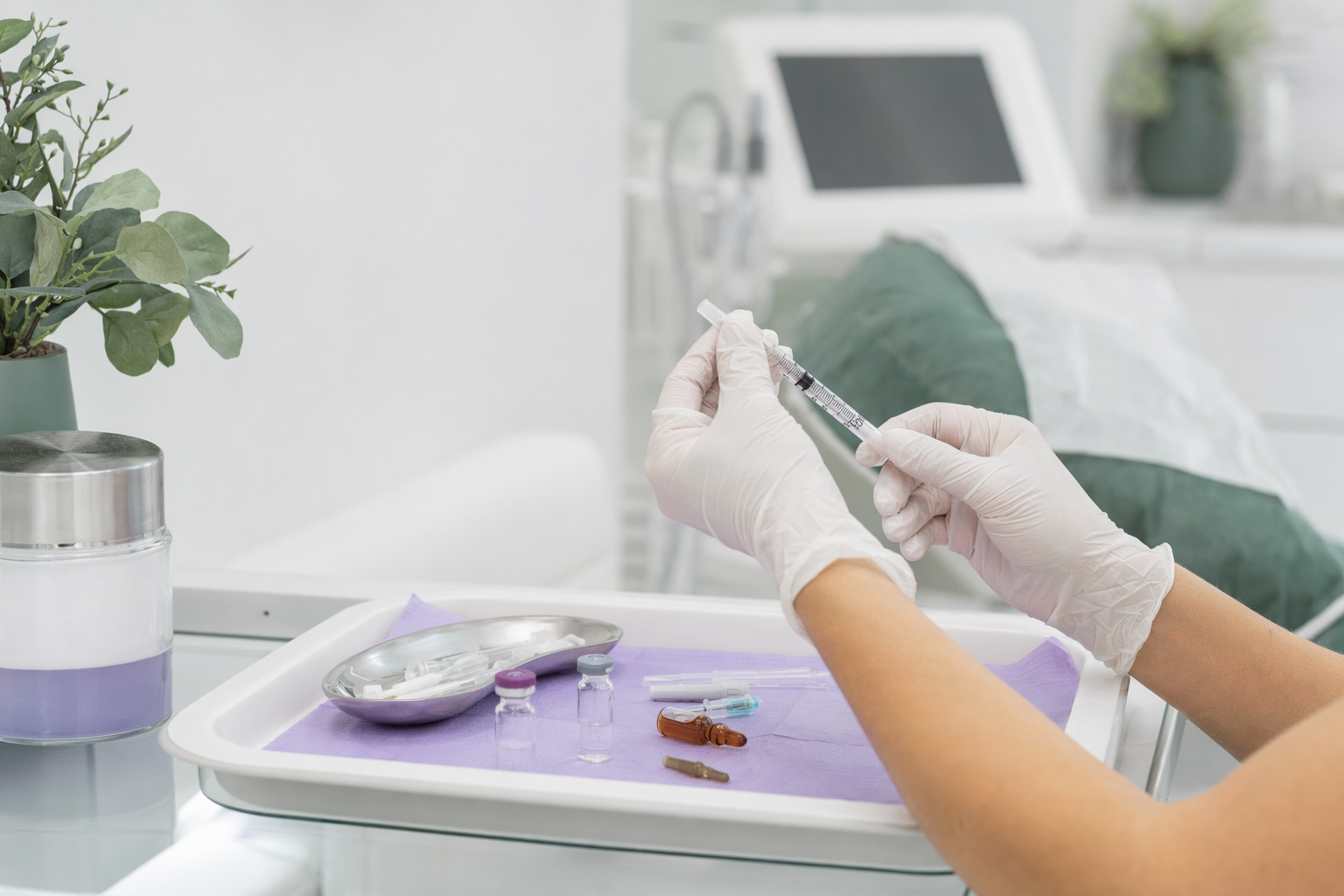
In plain terms, Botox helps relax certain facial muscles, while dermal fillers add or restore volume in specific areas. Neither is "better" for everyone. The right conversation depends on your goals, your features, and a consultation with a qualified, licensed professional. Lumena Glow is a free matching service, not a medical provider, so we offer general education only.
What is the main difference?
The biggest difference is what the treatment is trying to do.
Botox is commonly used to temporarily relax targeted muscles. It is often discussed for lines that come from repeated facial movement, like frown lines or forehead lines.
Dermal fillers are used to add structure, fullness, or support in an area. They are often discussed for concerns related to volume loss, contour, or deeper folds. You can browse more options on the treatments index.
What each one is commonly used for
In general, Botox is often talked about for expression lines, while fillers are often talked about for volume and shape. That said, treatment planning is personal and should come from a licensed professional during a consultation.
Common examples people ask about include:
- Botox for forehead lines, frown lines, and lines near the outer eye area
- Fillers for cheeks, lips, around the mouth, jawline, or under-eye concerns in some cases
- Both may come up in the same overall plan, depending on the person's goals
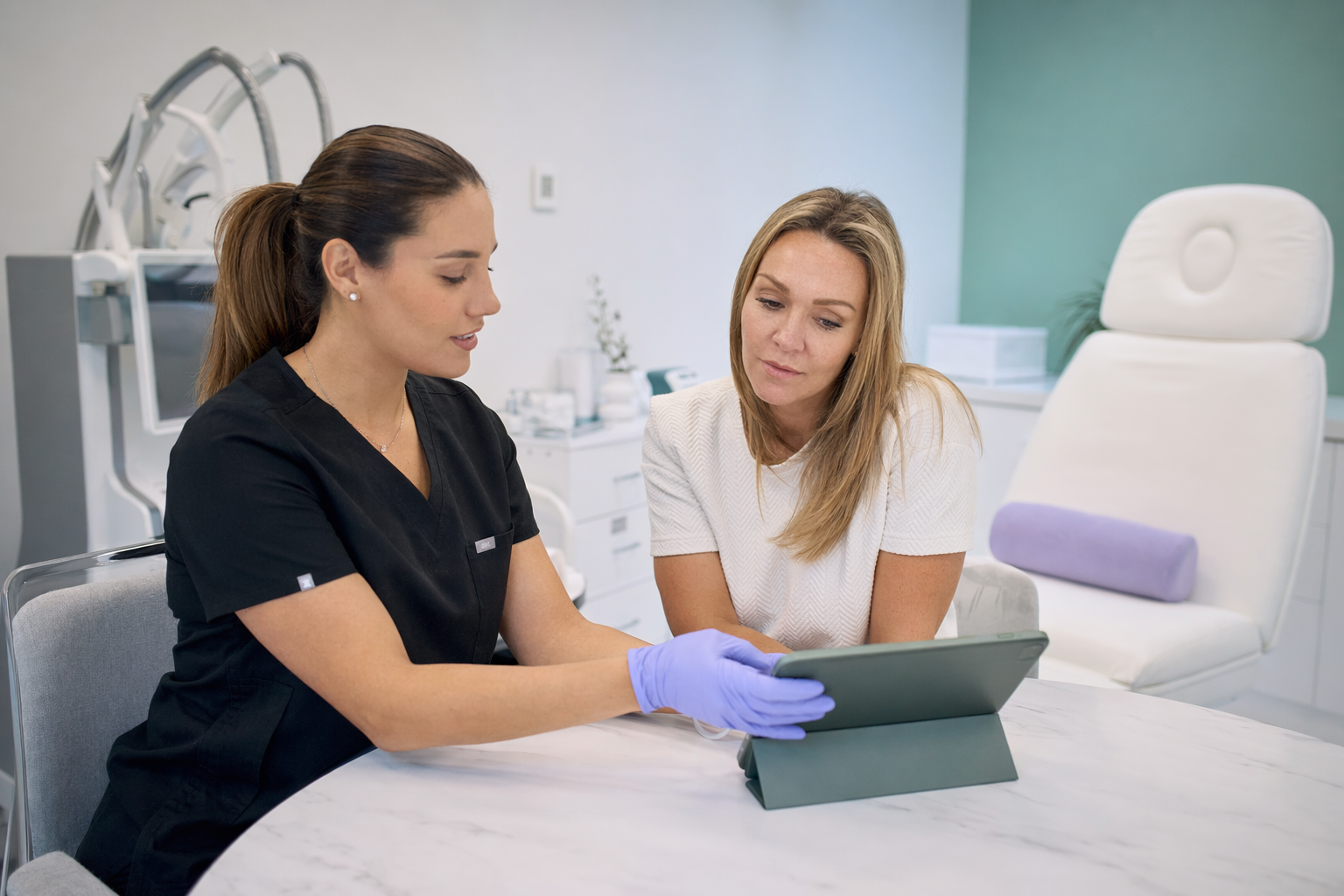
A good consultation should explain why a provider is suggesting one option, both, or neither.
How results usually feel and look
Because they work differently, the change people notice is different too. Botox is generally meant to soften movement-related lines by reducing how strongly certain muscles contract. Fillers are generally meant to create or restore volume, support, or contour in a specific area.
Some people want a softer look in motion. Others are more focused on fullness, balance, or facial shape. That is one reason there is no universal winner between Botox and fillers.
Lumena Glow does not provide medical or cosmetic advice, and we do not tell you which treatment to get. Our role is to help you understand the basics and connect, at no cost, with licensed aesthetic providers near you through /get-matched/.
Recovery and what to expect after treatment
Both treatments are often described as having relatively little downtime, but recovery is not identical and experiences vary.
After Botox, people often expect a short appointment and little visible recovery, though minor redness or small injection marks can happen. With fillers, swelling or bruising may be more noticeable in some areas, especially where the skin is delicate.
It is smart to ask the provider:
1. What is normal right after treatment?
2. What kind of swelling or bruising is common for this area?
3. When might I expect to look more settled?
4. Who should I contact if I have concerns afterward?
You can find more ideas in these questions to ask.
Honest cost differences
Cost is one of the biggest practical differences. In the United States, Botox is often priced based on the amount used, while fillers are often priced by syringe or amount placed. Real prices depend on the treatment area, how much is used, the provider, and your location. These are ranges, not quotes.
General US ranges people may see:
- Botox: often about $10 to $25 per unit, with total visit costs commonly landing anywhere from about $200 to $800+ depending on the area treated and amount used
- Dermal fillers: often about $600 to $2,000+ per syringe, with total cost depending on the type of filler, the area, and how much product is used
A lower advertised number does not always mean better value. Ask what the price includes, how the provider charges, and whether follow-up is part of the fee. For a broader overview, visit /costs/.
How to compare providers safely
The person doing the treatment matters as much as the treatment itself. Look for a licensed provider with specific training in aesthetic treatments, and ask who the supervising medical professional is if that is relevant at the clinic.
Helpful questions include:
- What license do you hold?
- What training do you have for this treatment?
- How do you decide between Botox and fillers for a consultation?
- What side effects or risks do you review before treatment?
- Who evaluates me if something does not look or feel right afterward?
If you want help finding licensed aesthetic providers near you, Lumena Glow can help you get matched for free. We only use contact details and treatment-interest information for matching, not medical history.
Always confirm a provider's license and training yourself, and ask who the supervising medical professional is.