In plain language
In simple terms, a chemical peel uses a solution placed on the skin to remove damaged outer layers, while a laser uses focused light energy to target the skin more precisely. Both are used for concerns like uneven tone, rough texture, and signs of sun damage, but downtime, number of sessions, and price can vary a lot.
What is the difference between a laser and a chemical peel?
A chemical peel is a liquid solution applied to the skin. It encourages the top layers to shed so newer skin can come forward over time. Peels can range from light to deeper treatments.
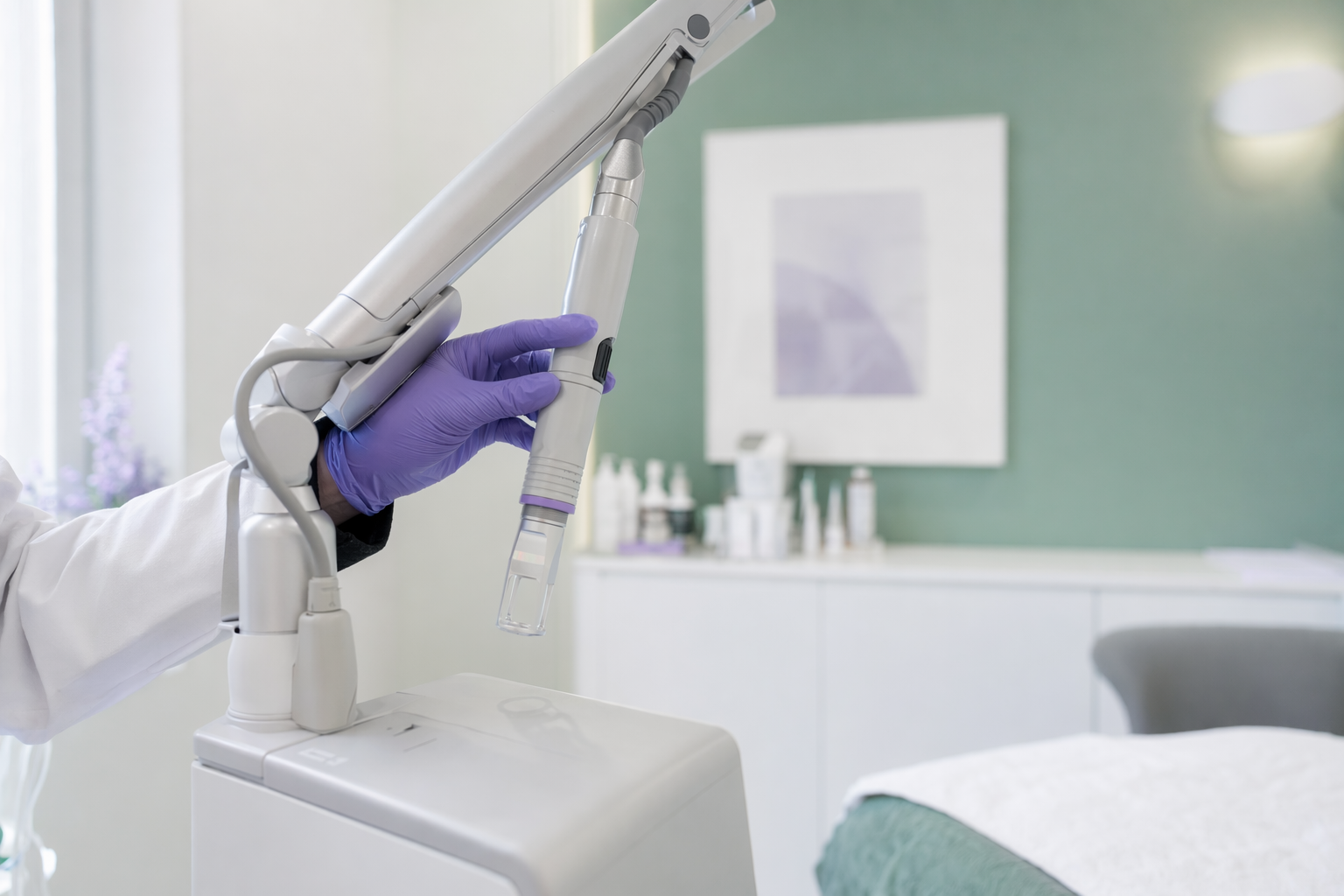
A laser skin treatment uses focused light energy to treat the skin. Different lasers work in different ways. Some target the surface more directly, while others work deeper in the skin.
Both options are used to improve the look of tone and texture, but they do not feel the same, recover the same way, or cost the same. Lumena Glow is a free matching service, not a clinic or medical provider, so we only offer general education. A licensed professional can explain which options may fit your goals.
What each option is often used for
Both lasers and peels are commonly discussed for concerns such as:
- uneven skin tone
- rough texture
- sun-related discoloration
- the look of fine lines
- acne marks or other surface irregularities
That said, providers may prefer one approach over another depending on the concern being treated, how much change a person wants, and how much recovery time they can manage. Some people are looking for a lighter refresh with less downtime. Others may be asking about stronger treatments that can involve more healing.
If you are still comparing options, it can help to start with a general treatments index or speak with a licensed provider through get matched.
How the treatment experience can feel
A chemical peel appointment usually involves cleansing the skin, applying the peel solution, and then following specific aftercare steps. During treatment, people often describe stinging, warmth, or tingling. The exact feeling depends on the type and strength of the peel.
A laser appointment can feel different depending on the device and treatment settings. People often describe heat, snapping, or a prickly feeling. Some laser treatments are quick and mild, while others are more intense and may involve stronger comfort measures.
In both cases, the experience depends on the treatment plan, the area being treated, and the provider's approach. It is reasonable to ask how the treatment is performed, what it feels like, and what aftercare is involved.
Recovery and downtime: where many people notice the biggest difference
Recovery can vary a lot with both options, but this is often one of the biggest decision points.
With a light chemical peel, there may be mild redness, dryness, or visible flaking for a few days. Stronger peels can involve more peeling, more redness, and longer healing. With a laser treatment, downtime also ranges widely. Some people have a day or two of redness, while more intensive laser treatments can involve swelling, crusting, or a longer recovery period.
Neither option has one standard recovery timeline. Ask a provider:
- How long might redness, peeling, or swelling last?
- When can normal skin care and makeup usually be resumed?
- What sun protection steps are important after treatment?
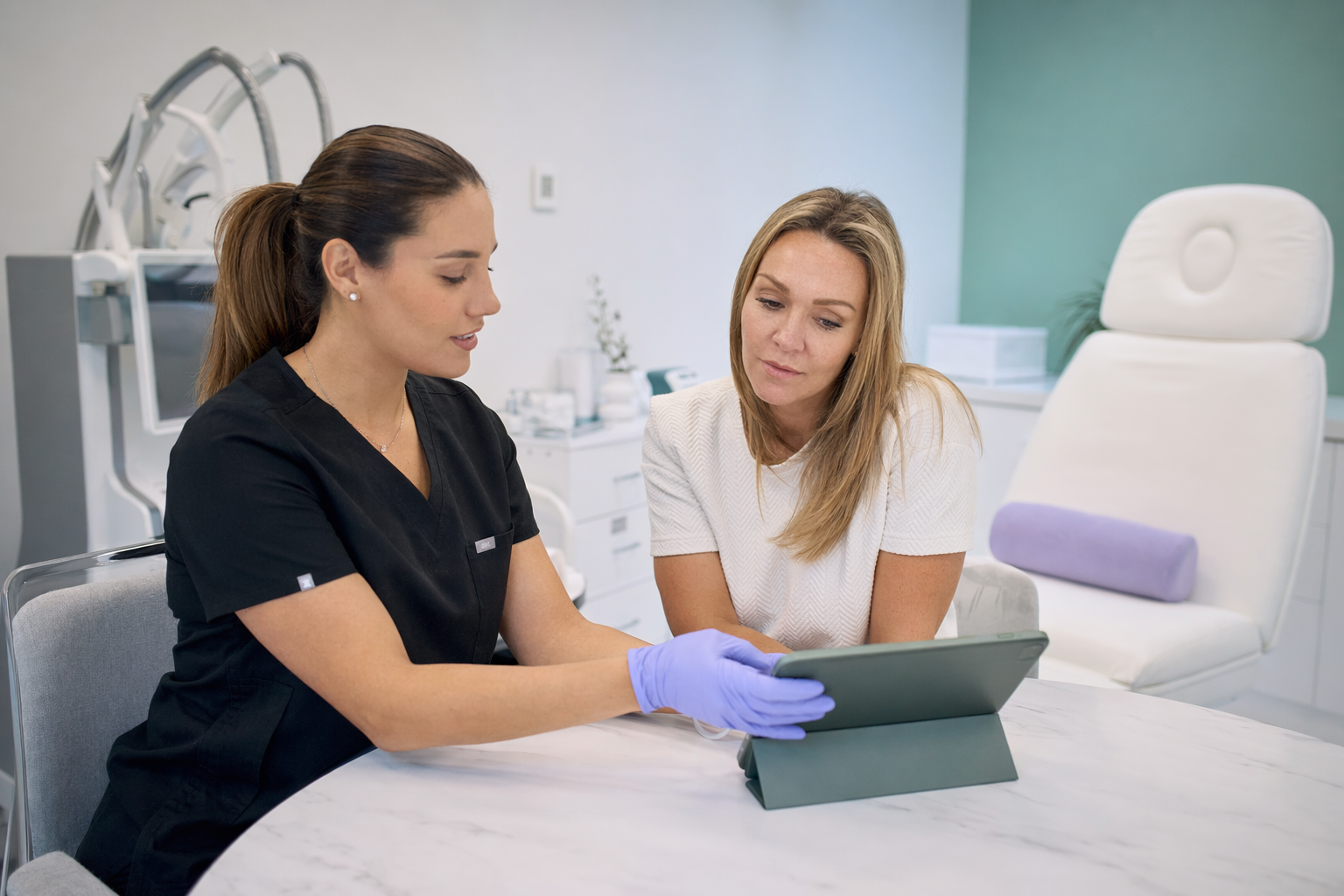
A consultation is also the right time to ask about your schedule, work, social plans, and comfort with visible healing. You can find more ideas in questions to ask.
Cost differences and why prices vary
In the United States, chemical peels often start lower in price than many laser treatments, but the total cost depends on the type of peel, the area treated, and whether multiple sessions are recommended. A common rough range is about $150 to $800+ per session.
Laser skin treatments often have a wider and sometimes higher price range because there are many kinds of lasers and treatment levels. A rough range is often about $300 to $3,000+ per session.
These are general US ranges, not quotes. Real pricing depends on the provider, location, technology used, treatment area, and how many sessions are part of the plan. It is smart to ask for a full price breakdown during a consultation. You can also read more general pricing guidance on /costs/.
How to compare your options safely
There is no universal winner between laser treatment and a chemical peel. A lot depends on your goals, your skin, your budget, and how much downtime you are comfortable with. The best next step is a consultation with a qualified, licensed provider who can assess you in person.
When comparing providers, make sure to:
- verify the provider's license and training
- ask what kind of experience they have with the treatment being discussed
- ask who the supervising medical professional is
- ask about expected downtime, follow-up, and total costs
- make sure you understand the plan before agreeing to anything
Lumena Glow is a free service that helps people learn the basics in plain language and get matched with licensed aesthetic providers near them. If you want, you can get matched at no cost.
Always confirm a provider's license and training yourself, and ask who the supervising medical professional is.