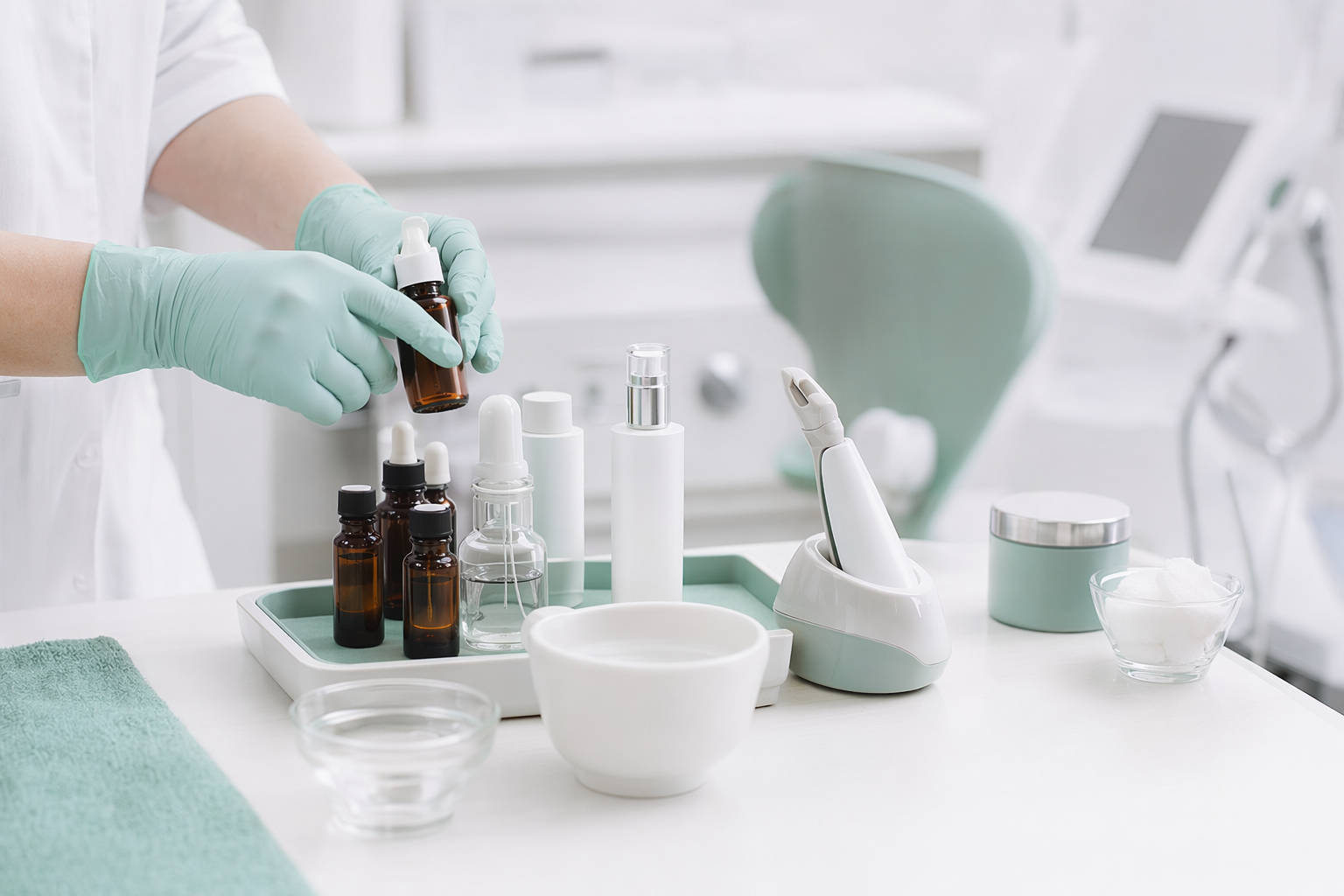
In plain language
In plain English: chemical peels are common skin treatments, but safety depends a lot on the peel strength, your skin, and the skill of the licensed provider. Lumena Glow is a free matching service, not a medical provider, so we only share general education and can help you connect with a licensed aesthetic provider for a consultation.
Short answer: they can be safe, but not risk-free
A chemical peel uses a solution to remove outer layers of skin so new skin can come through. Many people get peels for concerns like uneven tone, texture, or acne marks.
Safety depends on several things, including the type of peel, how strong it is, the area being treated, and the training of the person doing it. A light peel is usually very different from a deeper peel in both downtime and risk.
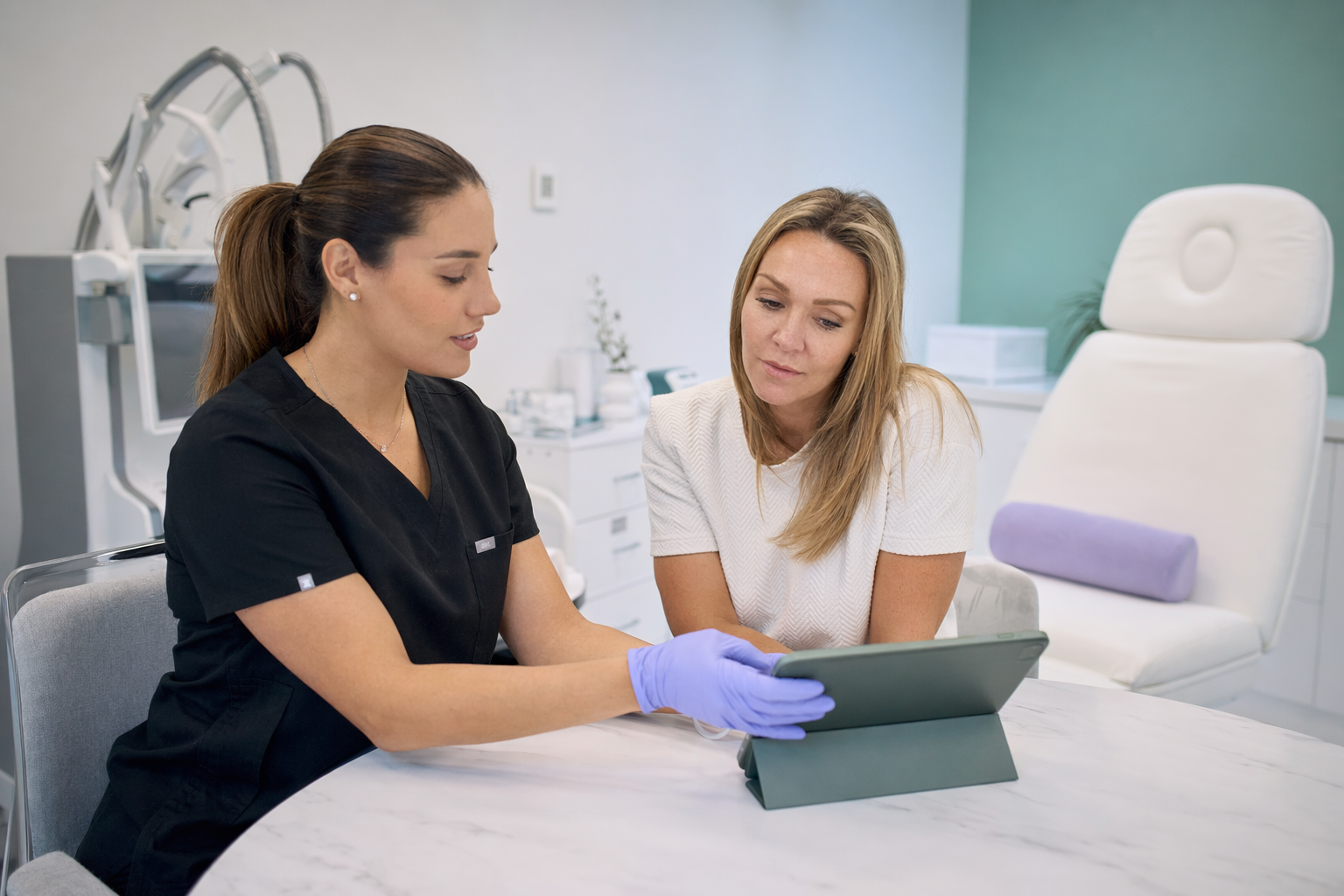
That is why the safest next step is not guessing at home or choosing by price alone. It is having a consultation with a qualified, licensed professional who can explain what a peel involves and whether it fits your goals.
What affects safety
Not all chemical peels are the same. Some are lighter and done in a series, while others are stronger and may involve more peeling, redness, and recovery time.
A few important safety factors are:
- Provider training and license
- The strength and type of peel used
- Your skin tone, sensitivity, and treatment goals
- Whether aftercare instructions are clear and realistic
- Whether there is medical supervision when needed
Before booking, it is reasonable to verify the provider's license, ask about their training with chemical peels, and ask who the supervising medical professional is. If you are comparing options, get matched with licensed aesthetic providers near you at no cost.
Possible side effects and risks to know
Even when a chemical peel is done properly, side effects can happen. Common short-term effects may include redness, tightness, dryness, peeling, and temporary sensitivity.
Risks may be higher with stronger peels or with poor technique. Possible problems can include irritation, changes in skin color, prolonged redness, or scarring in some cases. This is one reason a professional consultation matters.
Lumena Glow does not provide medical or cosmetic advice, and we do not tell you which treatment to get. We provide general education so you can ask better questions and choose a licensed provider carefully.
Cost and how to choose a provider
In the United States, chemical peel costs often range from about $100 to $800+ per session, depending on the type of peel, provider, location, and treatment area. Those numbers are general ranges, not quotes. Real pricing varies, and stronger or more specialized peels may cost more. You can read more at /costs/.
When choosing a provider, focus on safety and credentials first. Helpful questions include:
- Are you licensed in this state?
- What training do you have with chemical peels?
- Who is the supervising medical professional?
- What should I expect before, during, and after treatment?
If you want help finding options nearby, Lumena Glow is a free matching service that helps people understand treatments in plain language and connect with licensed providers. You can start here: /get-matched/.
Always confirm a provider's license and training yourself, and ask who the supervising medical professional is.