
In plain language
In plain terms, insurance does not usually pay for treatments done mainly to change appearance, like wrinkle relaxers, fillers, many laser treatments, peels, or microneedling. Coverage rules depend on your plan and the reason a treatment is being done, so the only way to know for sure is to check with your insurer and the treating provider.
Why insurance usually does not cover cosmetic treatments
Health insurance plans commonly separate cosmetic care from medically necessary care. When a treatment is mainly for appearance, it is usually not covered.
That often includes treatments people seek for smoothing lines, adding volume, improving texture, or refreshing skin. Coverage decisions are made by the insurance company based on your specific plan and the reason for treatment.
Treatments that are often paid out of pocket
Many common aesthetic treatments are usually self-pay, including:
- wrinkle relaxers such as Botox-type treatments
- dermal fillers
- many laser skin treatments done for cosmetic improvement
- chemical peels
- microneedling
- cosmetic skin consultations
Even when a treatment uses similar tools or products, insurance may look at why it is being done, not just what it is called.
What costs can look like
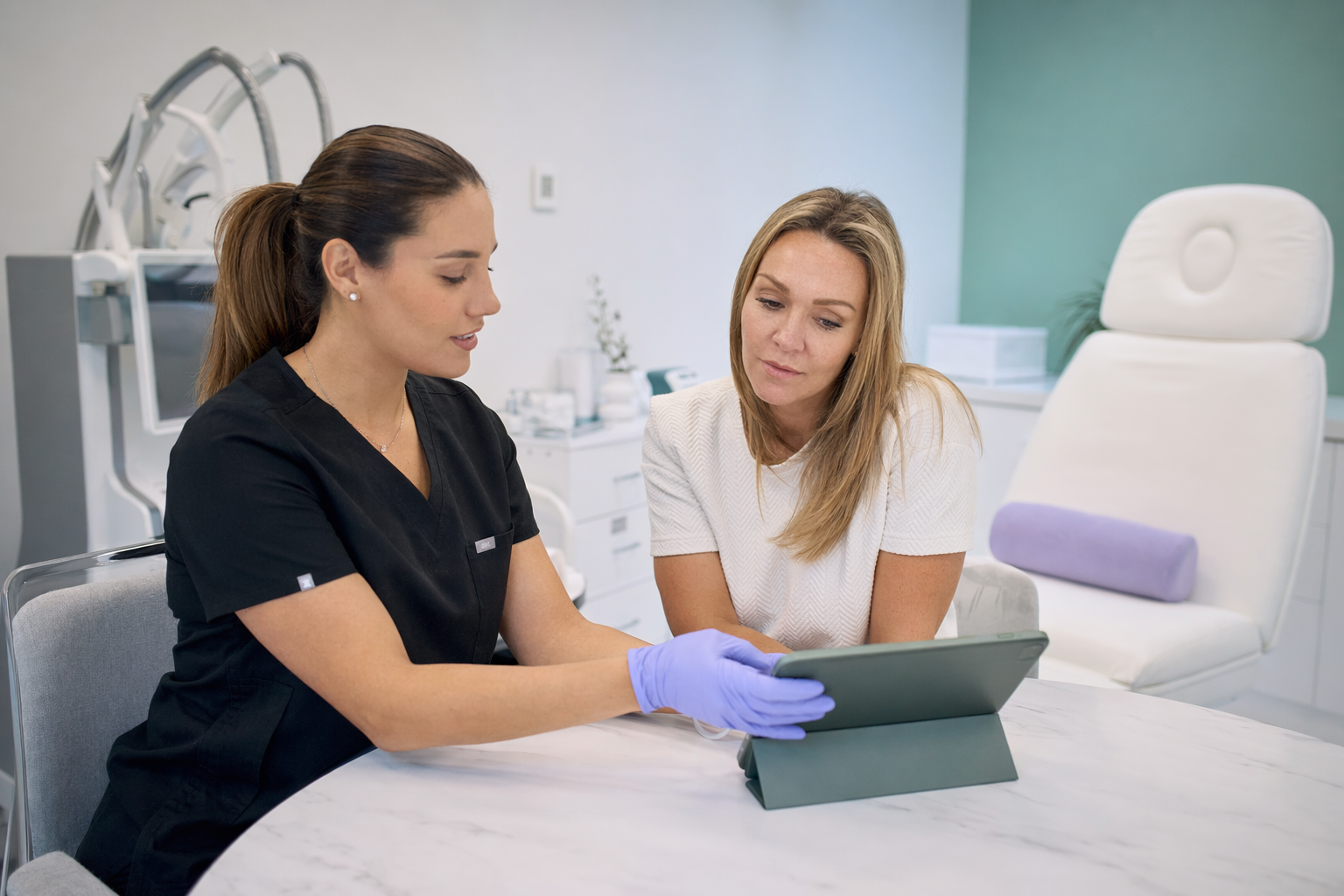
If insurance does not cover a treatment, you will usually pay the clinic directly. Costs vary by provider, area of the country, how much product or time is needed, and which area is being treated. These are general US ranges, not quotes:
- wrinkle relaxers: often a few hundred dollars per visit
- fillers: often several hundred to over $1,000 per syringe
- chemical peels: often about $150 to $800+
- microneedling: often about $200 to $700+ per session
- laser skin treatments: often a few hundred to well over $1,000 per session
You can read more general pricing context at costs.
How to check coverage and compare your options
If you are unsure, ask the provider's office whether they bill insurance for the specific visit or treatment and what fees may be self-pay. You can also contact your insurer and ask how your plan handles a treatment when it is cosmetic versus medically necessary.
Before booking, it is smart to:
- ask for a written cost breakdown
- confirm who will perform the treatment
- verify the provider's license and training
- ask who the supervising medical professional is
Lumena Glow is a free matching service, not a medical provider, and we do not give medical or cosmetic advice. We offer general education and can help you get matched with a licensed aesthetic provider near you.
Always confirm a provider's license and training yourself, and ask who the supervising medical professional is.