In plain language
This is not a real patient story or medical advice. It is a simple example of how learning the basics, asking for language support, and speaking with a licensed provider can help someone feel more comfortable before deciding whether to move forward.
Why language support mattered
This illustrative example begins with someone who was curious about a cosmetic treatment but did not feel ready to book a visit right away. They understood some English, but not enough to feel comfortable discussing cost, options, or consent forms without help.
What they wanted most was simple: time to understand the process in plain language, and a consultation where they did not feel rushed. That kind of support can matter a lot when someone is new to aesthetic treatments or new to the U.S. healthcare system.
Lumena Glow is a free matching service, not a medical provider or clinic. It does not give medical or cosmetic advice. It shares general education and helps people connect with licensed aesthetic providers near them.
Learning the basics before booking
Before asking to be matched, the person spent some time reading general information about consultations, treatment costs, and what questions to ask. That helped them understand common words they might hear during an appointment and gave them a better sense of what they wanted to discuss.
A few things helped them feel more prepared:
- reading general cost ranges at /costs/
- making a short list of goals and questions
- reviewing ideas at /guides/questions-to-ask
- deciding that they wanted a provider who could explain options slowly and clearly
This step did not tell them what treatment to get. Instead, it helped them enter the consultation with more confidence and less pressure.
Asking for a consultation with language help
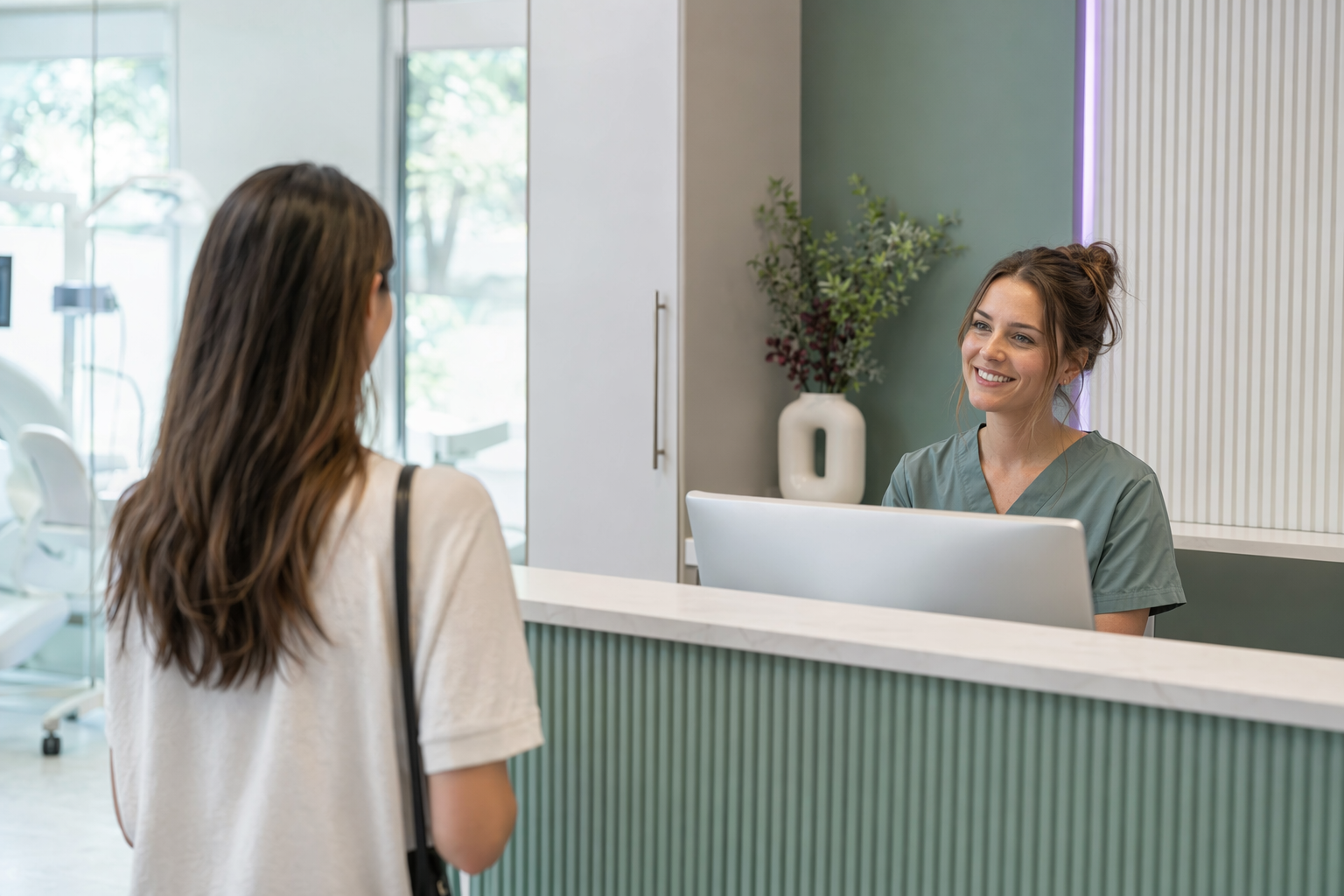
When they felt ready, they used /get-matched/ to request a consultation and noted that language support would be helpful. The match request focused on contact information and treatment interest only, not private medical history.
That mattered because the goal at this stage was not diagnosis or treatment advice. It was simply to help connect them with a licensed provider's office that could speak with them about availability, communication needs, and next steps.
For many people, just knowing they can ask for language help makes the process feel more manageable. It can also make it easier to slow down and ask follow-up questions during the consultation.
What they asked during the consultation
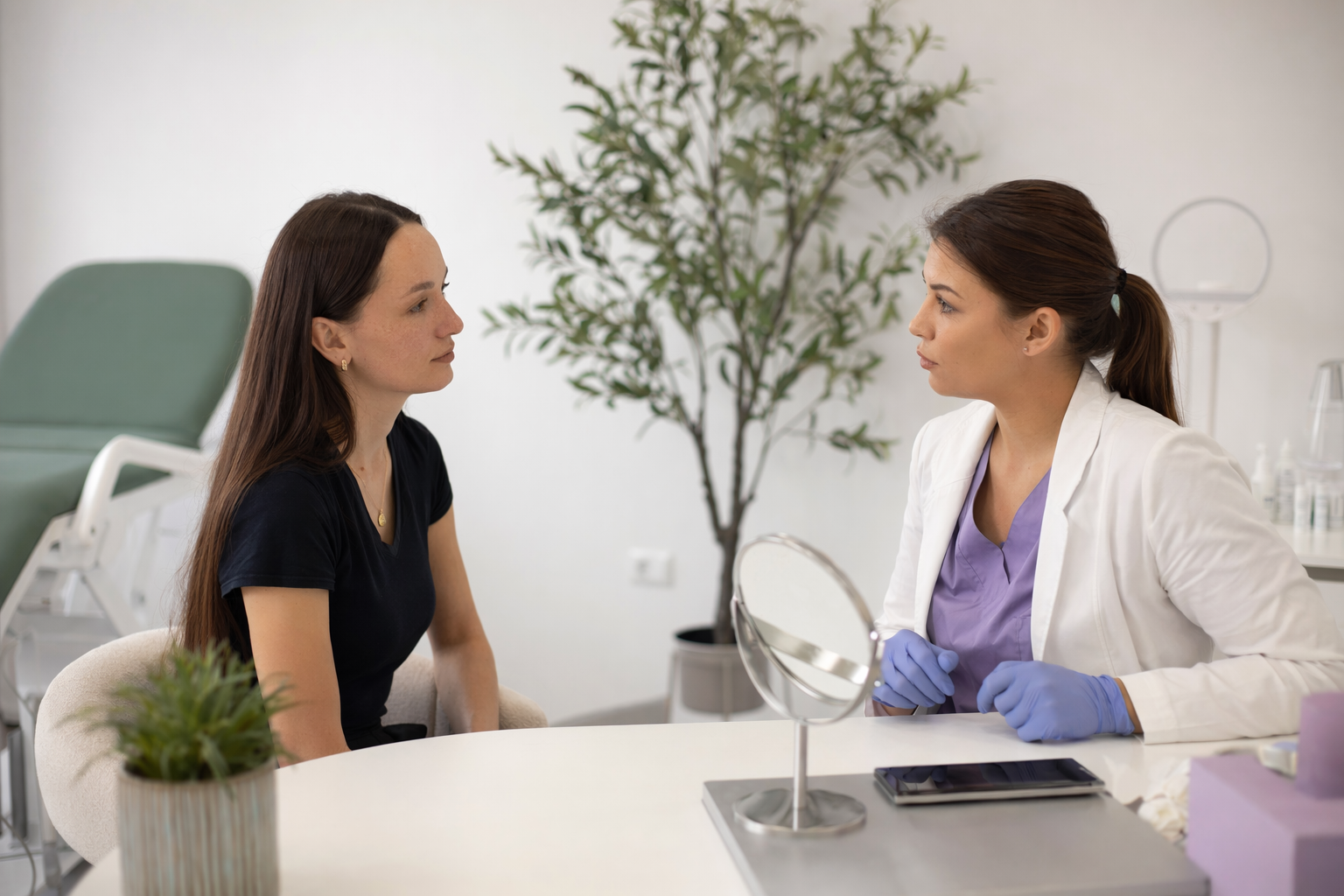
At the consultation, the person focused on understanding, not deciding quickly. They asked the provider's office to explain the process in plain words and repeated back what they heard to make sure it made sense.
Some of the most useful questions were:
- Who would be doing the consultation or treatment?
- Is the provider licensed, and what training do they have with this type of treatment?
- Who is the supervising medical professional?
- What are the possible costs, and what could change the final price?
- What should I expect before, during, and after the appointment?
They also paid attention to how the office responded. Did staff answer clearly? Did they welcome questions? Did they make space for interpretation or extra explanation? Those details helped the person feel calmer and more in control.
A confident decision, without pressure
In this example, the most important outcome was not choosing a treatment right away. It was feeling informed enough to decide what to do next on their own timeline.
By learning the basics, asking for language help, and speaking with a licensed provider, the person came away with a clearer understanding of their options. They did not need to rush. They could take time, compare information, verify the provider's license and training, and think about cost before making any decision.
That is often what a good consultation experience looks like: clear communication, realistic expectations, and enough space to choose carefully. If you want to explore your options, you can start with /get-matched/ or browse more examples at /stories-index.
Always confirm a provider's license and training yourself, and ask who the supervising medical professional is.