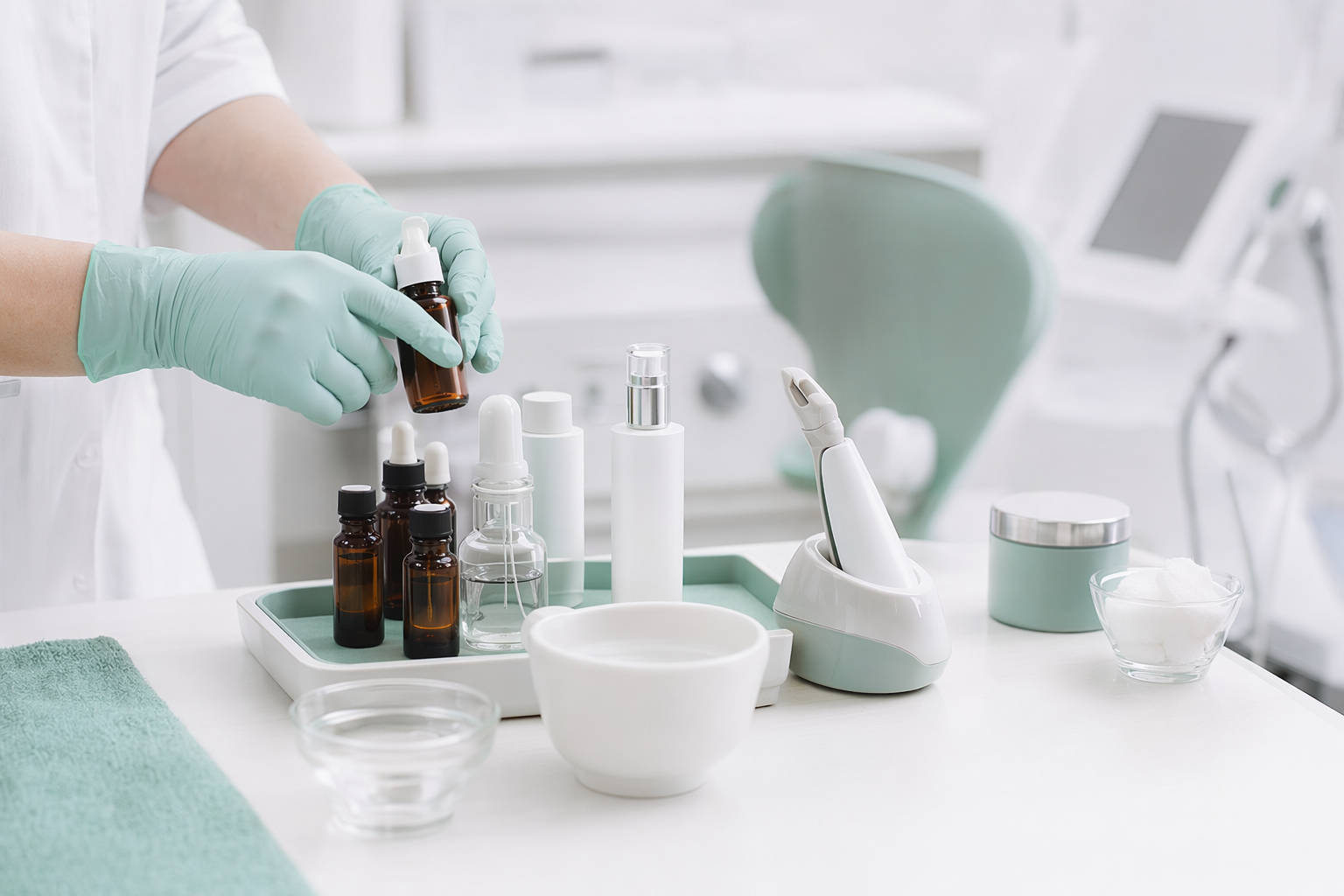
In plain language
In simple terms, a chemical peel helps the skin shed old surface cells so fresher skin can come through. Some peels are mild and mainly refresh the skin's look, while stronger peels can affect deeper layers and need more planning, aftercare, and a careful conversation with a licensed provider.
What a chemical peel is
A chemical peel is a cosmetic skin treatment that applies a solution to the skin for a controlled amount of time. The goal is to help the skin exfoliate and renew itself over time.
People often look into peels to improve the appearance of uneven tone, rough texture, sun-related damage, or the look of some fine lines and blemishes. Results and recovery can vary a lot depending on the type of peel, the strength used, the area treated, and the person performing it.
Lumena Glow is a free matching service, not a medical provider or clinic. We do not give medical or cosmetic advice. We offer general education so you can understand your options and connect with licensed aesthetic providers near you through /get-matched/.
Light, medium, and deep peels
Chemical peels are often grouped by depth. A deeper peel usually means more visible change, but also more downtime, more aftercare, and more risk if not done by the right professional.
- Light peels work on the outer layer of skin. They are often used for mild texture issues, dullness, or uneven-looking tone.
- Medium peels go deeper and may be discussed for more noticeable sun damage or pigment concerns.
- Deep peels reach further into the skin and involve the most recovery. These are not casual treatments and should be discussed very carefully with a qualified, licensed professional.
Not every peel is appropriate for every skin type, concern, or schedule. A consultation is the right place to ask what level of treatment a provider offers, who performs it, and how they decide whether someone is a candidate.
What an appointment may feel like
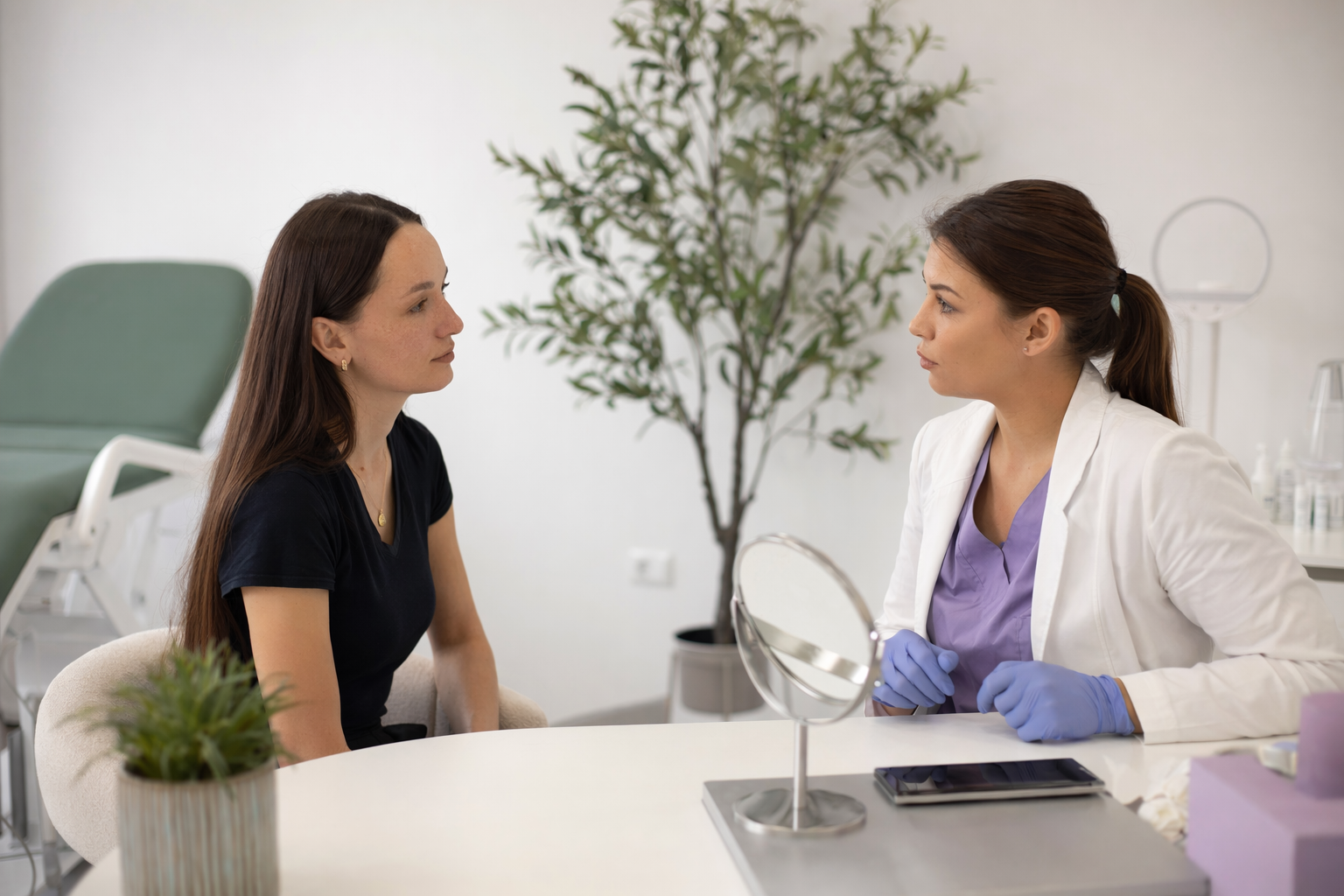
A peel visit usually starts with a consultation and skin assessment. The provider may clean the skin, apply the peel solution, watch the skin closely, and then either neutralize or remove the product depending on the type of peel.
During treatment, some people describe tingling, warmth, tightness, or stinging. The exact feeling depends on the peel and the area being treated. The appointment itself may be fairly short, but planning matters because some peels can leave the skin visibly red, flaky, or peeling afterward.
It is reasonable to ask in advance:
1. Who will perform the peel?
2. What license or training do they have?
3. Who is the supervising medical professional?
4. What should normal recovery look like for this specific peel?
Recovery and aftercare basics
Recovery depends on peel depth. A light peel may lead to mild dryness or flaking for a few days. Medium and deep peels can involve more redness, peeling, sensitivity, and downtime.
Aftercare instructions come from the treating provider, and it is important to follow them closely. In general, people are often told to be gentle with their skin and be careful about sun exposure while healing. Do not assume one person's recovery will match another person's.
If you are comparing treatment options, our general costs overview and questions to ask guide can help you prepare for a consultation without guessing.
Cost range in the United States
Chemical peel pricing in the US varies widely. A light peel may sometimes start around $100 to $300+ per session, while medium peels may be in the $300 to $800+ range. Deeper peels can cost $1,000 to several thousand dollars depending on the provider, location, area treated, and what is included.
These are general ranges, not quotes. Real prices depend on the type of peel, the strength used, the number of sessions recommended, the experience of the provider, and the region you are in. You can read more on our costs overview page.
How to choose a provider carefully
Because chemical peels can range from mild to quite serious, provider qualifications matter. Ask about licensing, training with the specific peel being offered, and who the supervising medical professional is. A reputable provider should be willing to explain the treatment clearly, review realistic expectations, and talk through recovery.
A few smart questions to ask before booking:
- What kind of peel is this, and how deep is it?
- Who performs the treatment, and what is their license?
- Who supervises the treatment medically?
- What side effects and downtime are common?
- How many sessions are commonly discussed for concerns like mine?
If you want help finding licensed aesthetic providers near you, Lumena Glow can help you compare options at no cost. Matching is based on your contact details and treatment interests only. You can start here: /get-matched/.
Always confirm a provider's license and training yourself, and ask who the supervising medical professional is.